
Why a Home Survey Helps Buyers Understand the Property They Are Purchasing
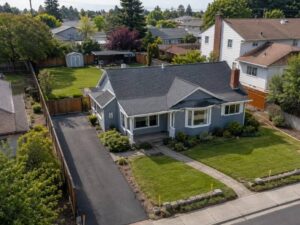
You fell for the kitchen. The inspection came back clean. The offer is in. But do you know where the yard actually ends? A home survey answers that. It shows a buyer the real shape of the property, not just the house sitting on it. Skip it, and you can close on a lot that looks nothing like what you pictured. This article shows how a home survey helps a buyer understand what they are really purchasing before the keys change hands.
Why Buyers Should Look Beyond the House Itself
Most buyers spend their attention on the building. The layout, the finishes, the roof, the inspection report. All of that matters. The land around the house often gets a quick glance and nothing more.
That is a gap worth closing. A home survey shows how the house relates to the rest of the lot. It maps the boundaries, the driveway, the fences and any other improvements against the real property lines. You see the whole picture, not just the part you toured.
A showing only tells you so much. You walk the rooms and maybe the backyard, then form an opinion. What you can’t see is where your ownership actually stops. A survey fills that in, so you buy the property as it truly is instead of how it looked on a nice afternoon.
How a Home Survey Helps Confirm Property Boundaries and Lot Layout
A home survey pins down the location and shape of the lot. A licensed surveyor checks the records and the ground, then marks where the lines run. You learn the real size and form of what you are buying.
Knowing where the lot begins and ends matters before you close, not after. A fence or a hedge can sit well off the true line. The usable yard might be smaller or larger than it appears. Buy first and measure later, and any surprise becomes your problem.
This information also shapes what you can do down the road. Where a fence can go. Whether there is room for a garage or an addition. How far your landscaping can extend. Clear boundaries at purchase make every one of those choices simpler.
Property Features a Buyer May Not Notice During a Walkthrough
What you see on a walkthrough does not always match the recorded property. Some conditions stay hidden until a surveyor checks the lines. Those are exactly the ones that cause trouble later.
A home survey may help reveal issues like these:
- A structure, like a shed or addition, sitting close to a property line
- A driveway or access area shared with a neighbor
- A fence that does not follow the real boundary
- An easement that affects part of the lot
- A neighbor’s improvement reaching near or across the line
Finding any of these before closing gives you room to act. You can ask the seller about it. You can raise it with your agent or attorney. You can decide whether it changes the deal. Learn about it after you own the home, and your choices shrink fast.
How Survey Information Can Support the Closing and Title Review
A home survey works alongside the other pieces of a closing. Your lender, your attorney and the title company review documents tied to the property. A survey adds the physical side of the picture. It shows conditions on the ground that a deed or tax map cannot.
Deeds and tax maps describe the lot in words and rough lines. They don’t show that a neighbor’s fence crosses the boundary or that a driveway sits on an easement. A survey does. That real-world view can answer questions the paperwork leaves open.
Bringing survey findings into the process early helps you handle issues before ownership transfers. A boundary problem is far easier to raise while you still hold the leverage of a pending sale. A home survey does not replace title work or a home inspection, so lean on your attorney and title company for their parts. Together, they give you a fuller understanding of the property than any single document can.
Using a Home Survey to Plan Future Improvements With Confidence
A home survey keeps paying off after closing. The lines it marks stay useful long after the sale. Any project that touches the yard starts with knowing where your land is.
Think about what you might build over the years:
- A new fence along the property line
- A pool in the backyard
- A deck off the house
- A detached garage
- A wider or reworked driveway
- A home addition
Each of these depends on accurate property information. A survey done at purchase gives you a reliable reference for all of them. You plan with real numbers instead of guessing at where the line falls. Rules and permits vary by area, so check with your local office and a licensed surveyor before you build. Start with good information, and future projects get a lot less stressful.
Frequently Asked Questions
What is a home survey?
It’s a survey that shows the boundaries and layout of a residential property. A licensed surveyor reviews records and measures the site, then maps where the lines and features sit. Buyers use it to understand the land they are purchasing, not just the house. The result is a clear view of the lot before closing.
Is a home survey the same as a home inspection?
No, and buyers often mix them up. A home inspection checks the condition of the house, like the roof, systems and structure. A home survey deals with the land, the boundaries and where improvements sit on the lot. Many buyers get both, since each answers a different set of questions.
Do I need a home survey to buy a house?
It depends on the deal and the parties involved. Some lenders or title companies ask for a survey before closing, and some do not. Even when it is optional, a survey protects you from boundary surprises after you own the home. Ask your lender, attorney or title company what your purchase requires.
What can a home survey reveal before closing?
It can show encroachments, easements and fences that do not follow the real line. It may flag a shared driveway or a neighbor’s improvement crossing the boundary. It also confirms the true size and shape of the lot. Catching these before closing gives you time to ask questions and adjust.
How long is a home survey good for?
There is no fixed expiration, but older surveys can go out of date. New fences, sheds or additions may have changed the property since the last one. Many buyers order a fresh survey at purchase for that reason. Your lender or title company may also set their own rules on how recent it must be.
For a free land surveying quote, call us at (571) 200-9937 or send us a message by going here.
Posted in land surveying, land surveyor | Tagged home survey
