
When Should a Land Surveyor Be Involved in a Property Purchase?
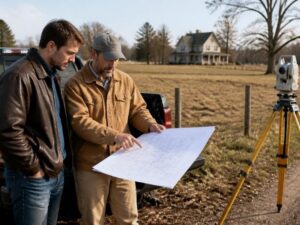
Most buyers call a land surveyor too late. They sign, they close, then they find the problem the survey would have caught. By then it’s their problem to fix. The better move is to bring the land surveyor in while you can still walk away or change the deal. Timing is what turns a survey from a formality into real protection for your money.
At What Point Should You Contact a Land Surveyor When Buying Property
Reach out to a surveyor early, before you’re locked into the purchase. The best time is while you still have room to act on what you learn. That usually means during the offer stage or the review window, not the week of closing.
Early contact gives you something simple but valuable. It gives you time. A survey can turn up a question that needs an answer before you buy. If you order it early, you can chase that answer while the deal is still open. Order it late, and you’re forced to decide with the clock running.
There’s a money reason too. A buyer who waits often pays for rush work or closes without the facts. Neither is a good spot. Bring the surveyor in early, and the cost and the timing both stay under control.
What Should Buyers Check Before Making an Offer on Land
Before you make an offer, get a basic read on the site. You want to know if the land can do what you need it to do. A few facts early can shape a smarter offer.
Access is near the top of the list. Can you legally reach the property, and does the way in support your plan? Look at the existing features too, like structures, paved areas or natural conditions that could get in the way. Ask whether anything about the site limits how you can use it.
You don’t need every detail this early. You need enough to judge whether the property fits. Early checks matter because they change the number you put on the table. A buyer who spots a limit before the offer can price it in. A buyer who finds it after has already committed.
When Should a Survey Be Completed During the Due Diligence Period
Fit the survey into the front half of your due diligence period, not the tail end. That timing leaves room to read the results and act on them. A survey you get on the last day gives you no time to respond.
Due diligence is your window to check the property and back out if the facts don’t work. A survey is one of the slower items in that window, so start it early. It can take time to schedule, complete and deliver. Line it up near the start, and the results land with days to spare.
Waiting until the last minute puts you in a corner. Say the survey shows a conflict. If your review period ends tomorrow, you can’t sort it out. You either close on a question mark or lose the deal. Early survey work keeps both doors open.
When Is a Survey Most Important for a Property You Plan to Develop
A survey matters most when you plan to build, expand or change the property. A buyer holding land for later has less riding on the details. A buyer with a project has a lot riding on them.
Your plan should guide the type of survey and its timing. A simple hold might need a light check. A build usually needs more detail, and it needs it sooner. What you intend to do decides how deep the survey goes and how early you should order it.
Early site facts support the calls you make on a development buy. You get to test your idea against the real property before you own it. The worst outcome is buying land that can’t hold your project. A well-timed survey lowers that risk while you can still act on it.
What Should Buyers Do After Receiving Survey Results
Once the survey comes in, read it with the people helping you buy. Your real estate agent, your attorney and your project team each see it through their own eyes. Share the results so everyone works from the same facts.
Ask questions when the survey shows something that affects your plan. Does a finding change what you can build? Does it affect access or the usable area? Does it call for a fix before you close? Your surveyor can explain what a result means. Your attorney can tell you how it affects the deal.
Then act while the deal is still open. You might raise a question with the seller. You might adjust your offer. You might ask for a repair or a credit. You might decide the property works and move ahead. Each of those choices is easier when the survey arrives early and you have time to think it through.
Frequently Asked Questions
How early should a buyer contact a land surveyor?
Contact one during the offer or review stage, before you’re locked in. Early contact gives you time to act on what the survey shows. Waiting until close to closing often means rush fees or deciding without the facts.
Can a survey be done before I make an offer?
Yes. Some buyers order a basic survey or site check before offering, so they can price the land with real facts. It helps you judge access and site limits before you commit to a number.
How long does survey work take during due diligence?
It varies by property and schedule. A survey can take time to book, complete and deliver, so it’s one of the slower due diligence items. Start it early in your review window so the results arrive with time to spare.
For a free land surveying quote, call us at (571) 200-9937 or send us a message by going here.
Posted in land surveying, land surveyor | Tagged Land Surveyor, Land Surveying
