
Loan Closing Survey for a Home With a Detached Garage
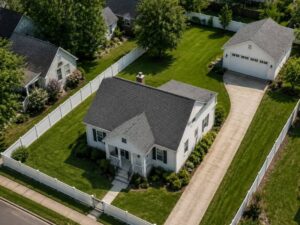
A garage sitting off to the side seems simple. It’s just a place to park a car. But at closing time, that separate building can raise real questions. A loan closing survey helps answer them. It shows where the home, the garage, and the property lines really sit. For a buyer or a lender, that check can prevent a costly surprise. This is why the garage deserves attention before the deal is done.
A Detached Garage Can Raise Boundary Questions
A house sits on the main part of a lot. A detached garage stands apart from it. That makes its spot easy to overlook. Yet where it sits can matter a great deal.
Most towns have setback rules. A setback is the space a building must keep from a property line. The rule keeps structures a safe distance apart. A garage built too close to the edge can break that rule. In some cases, part of it even sits on the neighbor’s land.
Age does not fix these problems. A garage can stand for twenty years and still be in the wrong place. It may have gone up before the current rules existed. It may have been built without a permit at all. Nobody notices until someone takes a close look.
A property sale is often when that look happens. A buyer needs to know where the garage sits. They need to know how close it comes to each line. They also need to know if it crosses onto land they don’t own. These plain facts can shape the whole deal.
Property Lines Behind the Garage Footprint
A loan closing survey maps the whole property. It shows the home, the garage, and the lot lines on one drawing. You can see how each part lines up. That view tells you if the garage sits inside the property.
The footprint is the ground the garage covers. Behind it, the real property line may run in a spot you can’t see by eye. A fence or a row of bushes can throw you off. The survey shows the true line instead of the one you assume.
This check protects the buyer more than anyone. It confirms the buildings sit on the land being sold. If the garage crosses a line, the survey flags it right away. A small overlap can still cause a legal headache later.
Catching it early gives everyone time to react. The parties can fix the issue, adjust the price, or plan around it. Finding the same problem years after closing is far worse. By then, the cost and stress land on the new owner.
Easements Running Through the Yard
An easement is a right someone else holds to use part of your land. A utility company may hold one for power or water lines. The town may hold one for drainage. These rights can run right through a backyard.
An easement near the garage can bring real limits. You may not be allowed to build over it. A crew may have the right to dig there in the future. That can affect the garage, a driveway, or the open yard around them.
A loan closing survey can show recorded easements on the drawing. That lets the buyer see what runs across the lot. Some easements are small and cause no trouble. Others can change how the whole property gets used.
Say a drainage easement sits under part of the garage. That could limit repairs or future changes to the building. A buyer would want to know that before closing, not after. The survey brings these hidden rights into plain view.
Driveways, Fences, and Other Improvements Add Context
A garage rarely stands alone on a lot. A driveway leads up to it. A fence may wrap around the yard. There might be a shed, a low wall, or a patio nearby. Each site feature adds to the picture of the property.
The survey notes these items and where they sit. A driveway might cross a property line to reach the road. A fence might sit a few feet inside the true line. It might also sit a few feet past it, onto a neighbor. Small gaps like these show up often.
A fence is not a property line. A wall is not a boundary either. These features show how the land gets used, not who owns it. People assume the fence marks the edge, and that assumption can be wrong.
When a fence and the real line don’t match, that gap is worth a look. It might be harmless. It might point to a larger boundary question. A survey gives the facts so no one has to guess.
A Clearer Picture for Buyers, Lenders, and Closing Teams
A closing has many moving parts. The buyer wants a safe purchase. The lender wants to protect the loan. The title team wants clean records. Good survey information helps all three groups.
The survey puts the property’s physical facts on paper. It records where the buildings sit. It notes fences, easements, and any line that looks off. That record supports the other closing documents.
Still, a survey is only one piece of due diligence. It works best beside the title report and the deed. The title search shows recorded rights and past claims. The survey shows what stands on the ground today.
Read together, these documents give a fuller view. One covers the paper trail. The other covers the physical site. A buyer who checks both walks in with clear eyes.
A detached garage is easy to take for granted. It has stood for years, so most people never think to question it. But a quiet building can still sit in the wrong spot. A loan closing survey answers that concern before it turns into a problem. It maps the garage, the lines, and the features around them. For anyone putting money into a property, that small step buys real peace of mind.
For a free land surveying quote, call us at (571) 200-9937 or send us a message by going here.
Posted in land surveying, land surveyor | Tagged Land Surveying
