
Loan Closing Survey for a Home With a Detached Garage
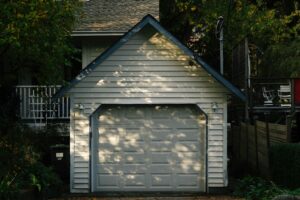
A loan closing survey does more than draw a line around your yard. When a home has a detached garage, that survey has to answer a specific question: where does this garage actually sit, and does it belong to the property being financed? Get that answer wrong, and closing day gets a lot more complicated.
A detached garage adds value to a home. It also adds a layer of detail your lender wants nailed down before funding a loan. This article walks through what a loan closing survey checks when a detached garage is part of the deal.
Verifying the Detached Garage as a Separate Improvement Before Closing
A detached garage is not part of the house. It stands on its own, which means the survey has to treat it as its own item on the map.
The surveyor locates the garage and marks its exact position on the parcel. This creates a clear record showing the garage as a distinct structure, separate from the home but still tied to the same lot. Lenders want this documented because a detached building can raise questions that an attached garage never would.
Think of it like this: an attached garage is obviously part of the house. A detached one needs its own confirmation. The survey gives that confirmation in a single, clear drawing.
Checking the Distance Between the Garage and Property Lines
Once the garage is marked on the map, the next step is measuring how close it sits to the boundary lines. Side and rear setbacks matter here.
A garage built too close to a property line can trigger questions during the loan process. Maybe it sits a few feet from the side boundary. Maybe it’s closer to the back line than local rules typically allow. The survey shows these distances in plain numbers, not guesses.
This measurement step protects everyone involved. Buyers learn exactly how much room exists between the garage and the edge of their lot. Lenders get a clear record that supports the loan file. If a distance looks tight, it can be flagged and reviewed before closing rather than after.
Reviewing Garage Access From the Street or Driveway
A detached garage is only useful if you can actually reach it. The survey shows how the garage connects to the street, whether through a driveway, a shared alley, or another access route.
This matters more than people expect. Some garages sit behind the house with a driveway running along one side. Others are reached from a rear alley shared with neighboring lots. The survey captures whichever setup applies to the property in question.
Buyers get a clear picture of daily access before they move in. No surprises about where to park, no confusion about which path leads to the garage door.
Identifying Recorded Easements Near the Garage
Easements can run right through the area where a detached garage sits, or close enough to matter. A utility line might cross behind the structure. An access easement might run along the driveway leading to it.
The survey identifies recorded easements near the garage when they apply to the parcel. This gives buyers and lenders a chance to understand how those easements might affect use of the garage or the land around it.
Say a utility company holds rights to a strip of land running behind the garage. That knowledge shapes what you can and can’t do in that space later, whether it’s adding a fence or expanding a driveway. Better to know this before closing than to find out after signing the loan.
Using the Survey to Confirm the Garage Is Included in the Property Being Financed
Here is where everything comes together. The survey does not just show where the garage sits. It confirms that the garage, as it exists on the ground, matches the parcel described in the loan documents.
This matters to three groups. Buyers want confidence they’re financing what they think they’re buying. Lenders want assurance that the collateral behind the loan includes everything it should. Title professionals want a clean record before issuing coverage.
A detached garage sitting slightly outside the surveyed parcel would be a serious problem to catch after closing. Catching it before closing, through the survey, gives everyone a chance to resolve the issue while there’s still time.
Frequently Asked Questions
Can a loan closing survey show a detached garage separately from the house?
Yes. The survey can show the garage as a distinct improvement and locate it in relation to the home and the property boundaries.
Why does the distance between a detached garage and the property line matter at closing?
Buyers and lenders may want to understand where the garage sits on the lot and whether its location raises questions that need further review before the loan closes.
Can a loan closing survey show how the detached garage is accessed?
Driveways, alleys, and other visible access features may be shown on the survey when they are relevant to the survey scope for that property.
Can recorded easements affect a detached garage?
Utility, access, or other easements near the garage may matter depending on their exact location and the terms of the recorded documents tied to the property.
Can a loan closing survey confirm that the detached garage is part of the property being purchased?
The survey can show the garage’s physical location in relation to the surveyed parcel, helping buyers and lenders understand how the improvement relates to the property being financed.
For a free land surveying quote, call us at (571) 200-9937 or send us a message by going here.
Posted in Lots survey | Tagged Lot survey
